- Product Overview
Barley Fermented Bran
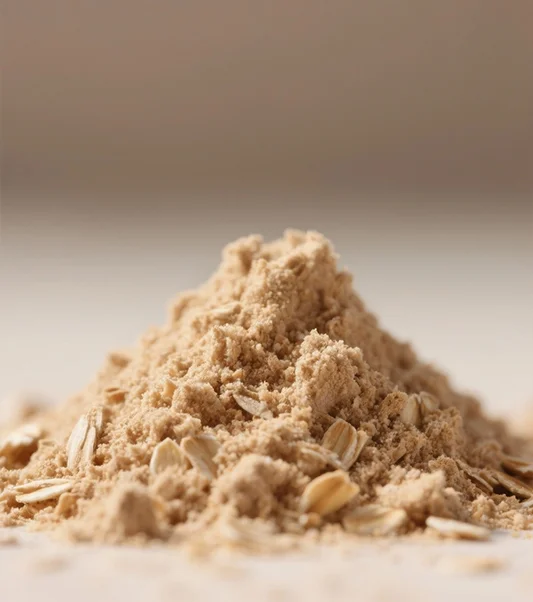
Barley fermented bran refers to a process where barley bran is broken down and transformed by microorganisms like bacteria or yeast through fermentation. This process is actively researched because it can significantly improve the bran’s nutritional profile, functional properties, and health benefits.
Here’s a detailed breakdown of what it is, why it’s done, and its potential applications.
- What is?
What is Barley Fermented Bran?
It starts with barley bran, the hard outer layer of the barley grain that is removed during milling to produce pearled or polished barley. This bran is rich in:
Dietary Fiber
Rich in beta-glucan for heart & blood-sugar health
Phenolic Compounds
Antioxidants like ferulic acid.
Proteins and Minerals
- Signature Product
Key Benefits & Transformations
Fermentation turns a perishable by-product into a stable, bioactive powerhouse
Enhance Nutritional Value:
· Increase Bioactive Compounds: Fermentation can break down cell walls, releasing bound antioxidants (like ferulic acid) and making them more bioavailable.
· Synthesize New Nutrients: It can generate B vitamins and vitamin K2.
· Improve Protein Digestibility: Microorganisms can pre-digest proteins, making them easier for our bodies to absorb.
Improve Functionality and Palatability:
· Modify Fiber Structure: It can subtly break down the fiber, potentially improving the solubility and viscosity of beta-glucan.
· Reduce Phytic Acid: This “anti-nutrient” can bind to minerals like iron and zinc, preventing their absorption. Fermentation significantly reduces phytic acid levels, enhancing the bran’s mineral bioavailability.
· Soften Texture and Improve Flavor: The hard, gritty texture of raw bran is softened, and the often harsh, bitter notes are transformed into more pleasant, savory, umami, or slightly sour flavors.

Add Probiotic Value:
If fermented with probiotic strains (like specific Lactobacillus) and not heat-treated afterward, the final product can deliver live beneficial bacteria to the gut.
- Methods
Common Fermentation
Methods
Yeast Fermentation:
Using baker’s yeast (S. cerevisiae) or nutritional yeast. This can be used to improve flavor and texture.
- Research
Practical Considerations
Research Focus:
Current scientific literature focuses on optimizing fermentation strains and conditions to maximize the release of antioxidants, the degradation of phytic acid, and the production of beta-glucan oligosaccharides (which have prebiotic effects).
How to Get It/Source It
As a commercial product, “barley fermented bran” is still a niche or specialty ingredient. You might find it through:
Specialty Health Food Suppliers:
Some companies focusing on gut health and fermented superfoods may offer it.
Ingredient Suppliers:
Companies that provide functional food ingredients to the food industry may produce custom fermented grains.