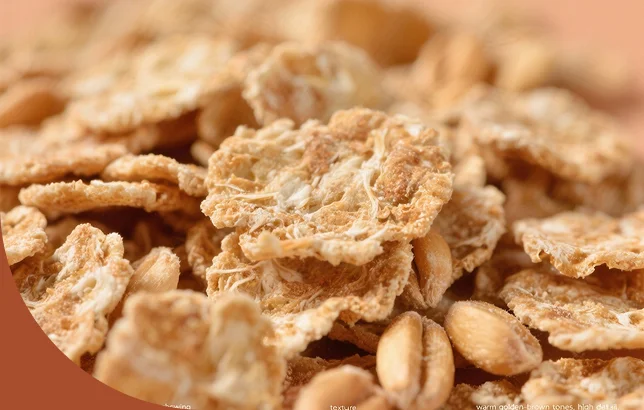
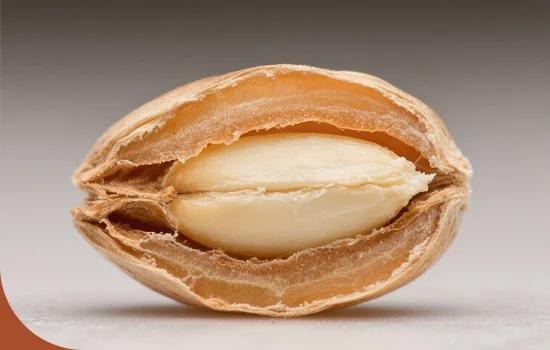
Whole wheat flour is a flour made by milling the entire wheat kernel, which consists of three parts:
| Feature | Whole Wheat Flour | White (All-Purpose) Flour |
|---|---|---|
| Grain Parts Used | Bran, Germ, Endosperm | Primarily Endosperm |
| Nutrition | High in fiber, vitamins, minerals | Lower in fiber and nutrients (often enriched) |
| Flavor | Nutty, earthy, robust | Neutral, mild |
| Texture | Coarser, denser | Fine, light |
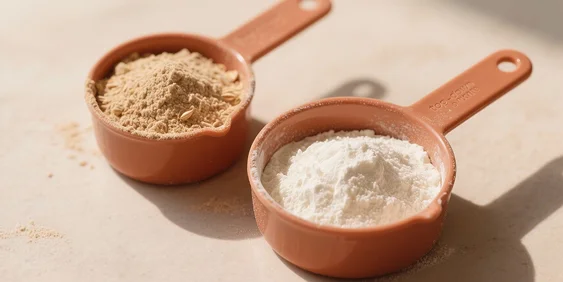
| Color | Tan or brownish | White |
| Shelf Life | Shorter (6-8 months), germ oils can go rancid | Longer (1-2 years) |
Promotes digestive health, helps maintain healthy blood sugar levels, and keeps you feeling full longer.
A good source of B vitamins (thiamin, niacin, B6), iron, magnesium, phosphorus, and manganese.
The germ provides essential fatty acids.
The bran and germ contain antioxidants like selenium and vitamin E.
This is the most common type, usually made from hard red wheat. It has a strong, hearty flavor.
Made from hard white wheat instead of red wheat. It has a milder flavor and lighter color but offers the same nutritional benefits as standard whole wheat flour. It’s excellent for transitioning from white flour.
Made from soft white wheat. It has a lower protein content, making it better for tender baked goods like cookies, muffins, and cakes.
This is simply another label for whole wheat flour, emphasizing that nothing has been removed.
Start by substituting half of the all-purpose flour in a recipe with whole wheat flour. For example, if a recipe calls for 2 cups of all-purpose flour, use 1 cup all-purpose and 1 cup whole wheat. This is a safe way to add nutrition and flavor without drastically altering the final product.
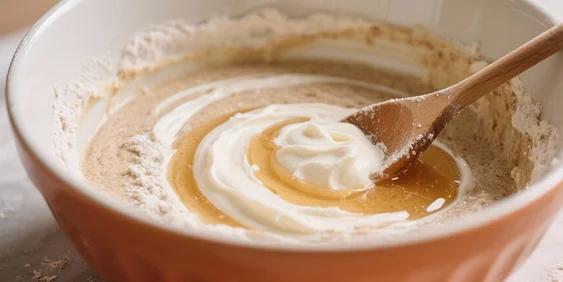
Whole wheat flour develops gluten just like white flour. Over-mixing the batter or dough will make your baked goods tough. Mix until the ingredients are just combined.
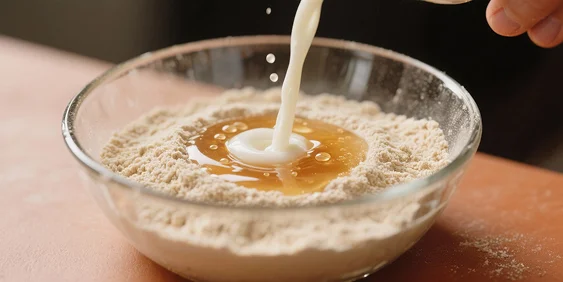
The bran in whole wheat flour absorbs more liquid than white flour. If your dough or batter seems too dry or dense, add a little extra liquid (water, milk, buttermilk). A good starting point is 1-2 extra tablespoons of liquid per cup of whole wheat flour used.
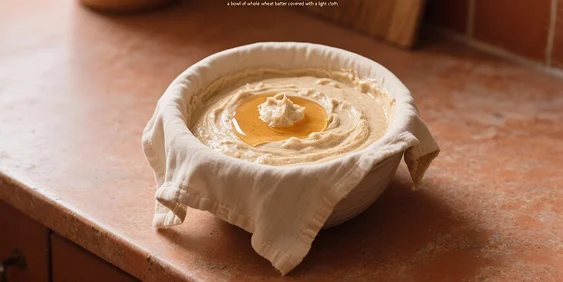
Allowing the batter to rest for 20-30 minutes before baking gives the bran time to fully hydrate. This results in a softer texture and can prevent a gritty feel.
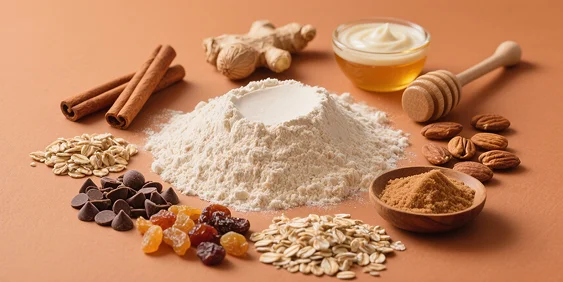
The robust flavor of whole wheat flour pairs beautifully with other strong flavors like:
· Spices: Cinnamon, nutmeg, ginger
· Sweeteners: Molasses, honey, maple syrup, brown sugar
· Add-ins: Nuts, oats, dried fruits, chocolate chips
Start by substituting half of the all-purpose flour in a recipe with whole wheat flour. For example, if a recipe calls for 2 cups of all-purpose flour, use 1 cup all-purpose and 1 cup whole wheat. This is a safe way to add nutrition and flavor without drastically altering the final product.
Whole wheat flour develops gluten just like white flour. Over-mixing the batter or dough will make your baked goods tough. Mix until the ingredients are just combined.
The bran in whole wheat flour absorbs more liquid than white flour. If your dough or batter seems too dry or dense, add a little extra liquid (water, milk, buttermilk). A good starting point is 1-2 extra tablespoons of liquid per cup of whole wheat flour used.
Allowing the batter to rest for 20-30 minutes before baking gives the bran time to fully hydrate. This results in a softer texture and can prevent a gritty feel.
The robust flavor of whole wheat flour pairs beautifully with other strong flavors like: · Spices: Cinnamon, nutmeg, ginger · Sweeteners: Molasses, honey, maple syrup, brown sugar · Add-ins: Nuts, oats, dried fruits, chocolate chips